
Goal
Create a clearer Supabase operations command center that reduces repeated work and stays practical for daily use.
A dashboard platform build for a operations management team in Operations Management, focused on clearer structure, smoother management, and a stronger post-launch workflow.
A command center dashboard made operational status easier to understand and act on.
Project Summary
Create a clearer Supabase operations command center that reduces repeated work and stays practical for daily use.
The client needed better structure because important records were not easy to review in one place and the workflow was becoming harder to manage.
The final system made the workflow easier to control, review, and improve without adding unnecessary complexity.
Supabase Operations Command Center turned a harder-to-manage workflow into a clearer digital system built for daily use and future updates.
We completed this project in 2026 for an operations management team in Canada working in Operations Management. The engagement ran for 5 months and focused on Supabase operations command center with a practical delivery style: understand the real workflow, design the right structure, build the core system, and make it easy to manage after launch. The work covered React / Next.js Development, Full-Stack Development, Dashboard & SaaS Interface Development. The technical direction used Next.js, React, Node.js, TypeScript, Supabase. Instead of creating a one-off screen or basic website update, the project shaped a working foundation around dashboard overview, record management, status tracking, so the final result felt useful, organized, and ready.
Location
Canada
Duration
5 Months
Services
React / Next.js Development, Full-Stack Development
Client Type
Operations management team
Industry
Operations Management
Project Type
Supabase Operations Command Center
Engagement
Dashboard Platform Build
Collaboration
Remote dashboard delivery
The project mattered because important records were not easy to review in one place, and the client needed a practical build that could keep working after launch.
Project Story
The main challenge was not only building the feature set. The existing process made important records were not easy to review in one place, which created friction for the people using or managing the system. The work needed a cleaner structure that could reduce confusion without making the final experience difficult to maintain.
The solution focused on central dashboard workspace and turning the core workflow into something easier to manage. The build connected the important screens, records, actions, and content areas into one clearer flow instead of leaving the client with disconnected updates.
Implementation was planned around practical use after launch. The work covered planned the data model and main workflows, built dashboard screens and reusable components, and connected api and database logic while keeping the code, admin experience, and handoff simple enough for future improvements.
Impact and Result
The business gained a more organized operating flow, fewer repeated steps, and a clearer way to manage the work connected to operations management. This made the system easier to use during normal daily activity, not only during launch.
The technical foundation became easier to maintain because the important logic, content, records, and interface behavior were structured around the real workflow instead of scattered one-off fixes.
After launch, the work gave the client a more dependable way to handle the project workflow. The biggest improvement was not just visual polish; it was the combination of clearer structure, better management flow, and a system that could keep supporting day-to-day decisions.
0.6
Fewer scattered records
2x
Faster admin review
0.86
Clearer workflow visibility
1
Connected workspace
Project Snapshot
Dashboard overview
Record management
Status tracking
Filters and reporting views
Role-based workflow support
API-backed data flow
Next.js
React
Node.js
TypeScript
Supabase
PostgreSQL
REST API
Full-stack architecture
Dashboard UX
Database design
API development
Workflow planning
Interface state management

Strategic case studies
Anonymous case studies that show the systems, workflows, and full-stack implementation thinking behind real project work.
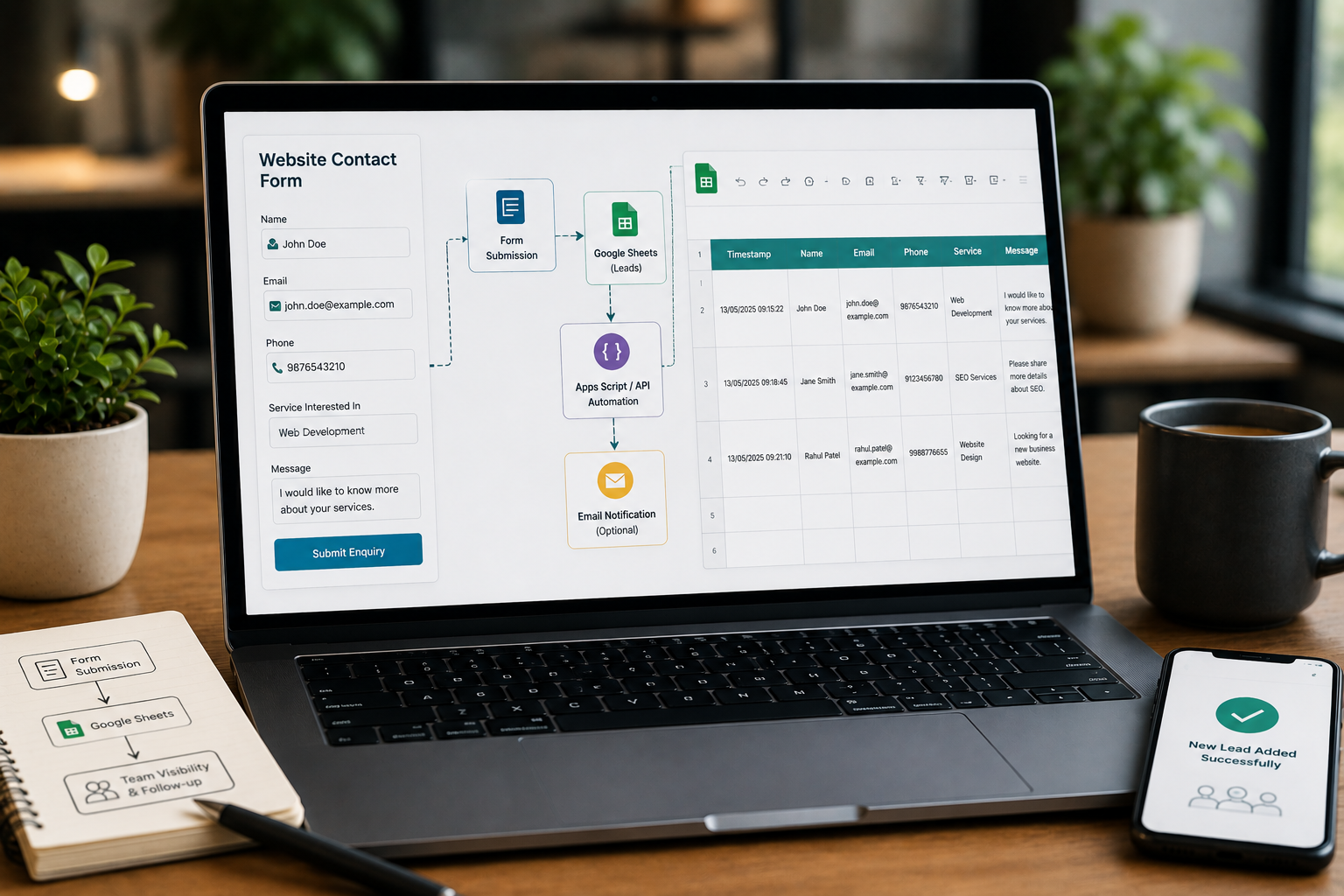
Finance & Billing Software
A multi-phase product build for a business software operator in Finance & Billing Software, focused on clearer structure, smoother management, and a stronger post-launch workflow.

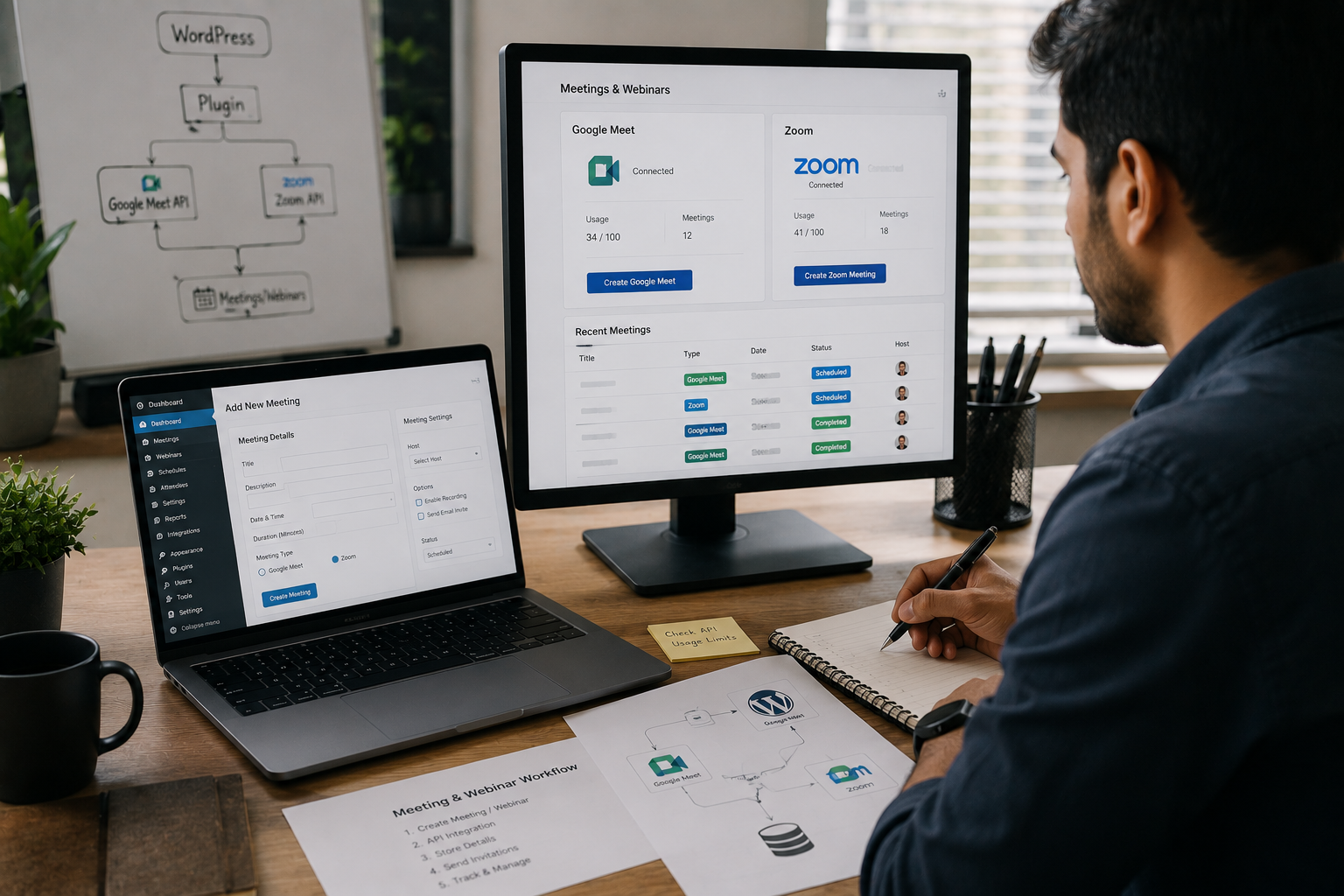
Online Education & Events
A plugin automation build for a training business in Online Education & Events, focused on clearer structure, smoother management, and a stronger post-launch workflow.
View Case Study
SEO & Content Intelligence
A ml tool prototype for a content strategy team in SEO & Content Intelligence, focused on clearer structure, smoother management, and a stronger post-launch workflow.
View Case Study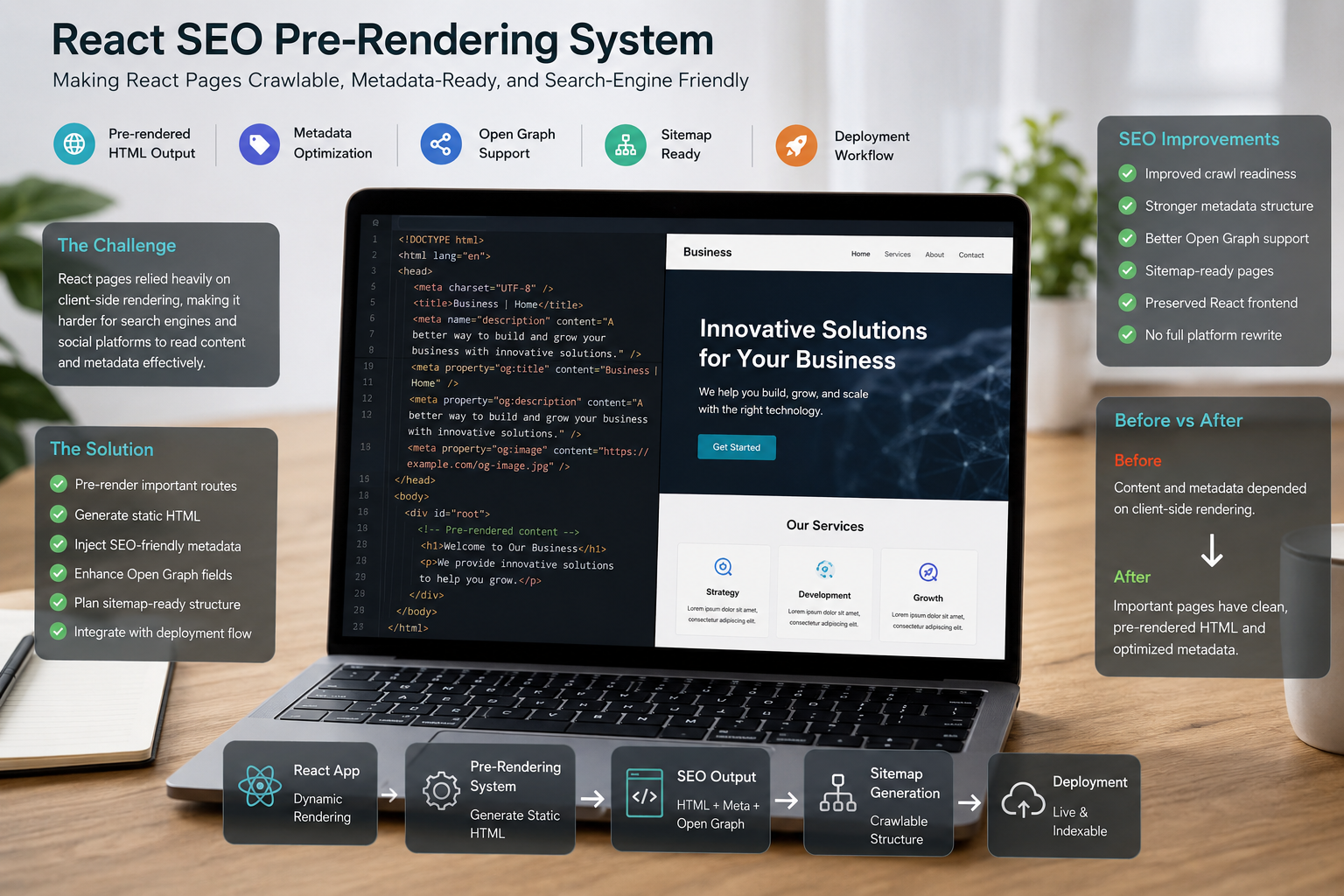
Website Performance & SEO
A seo engineering sprint for a react website owner in Website Performance & SEO, focused on clearer structure, smoother management, and a stronger post-launch workflow.
View Case StudyInsights & Blogs
Practical notes on development, CMS, SEO, automation, and product workflows.

Your website looks stunning, but is it converting visitors into leads? Learn the critical design, UX, and technical SEO mistakes that silently hurt your business's revenue and trust.
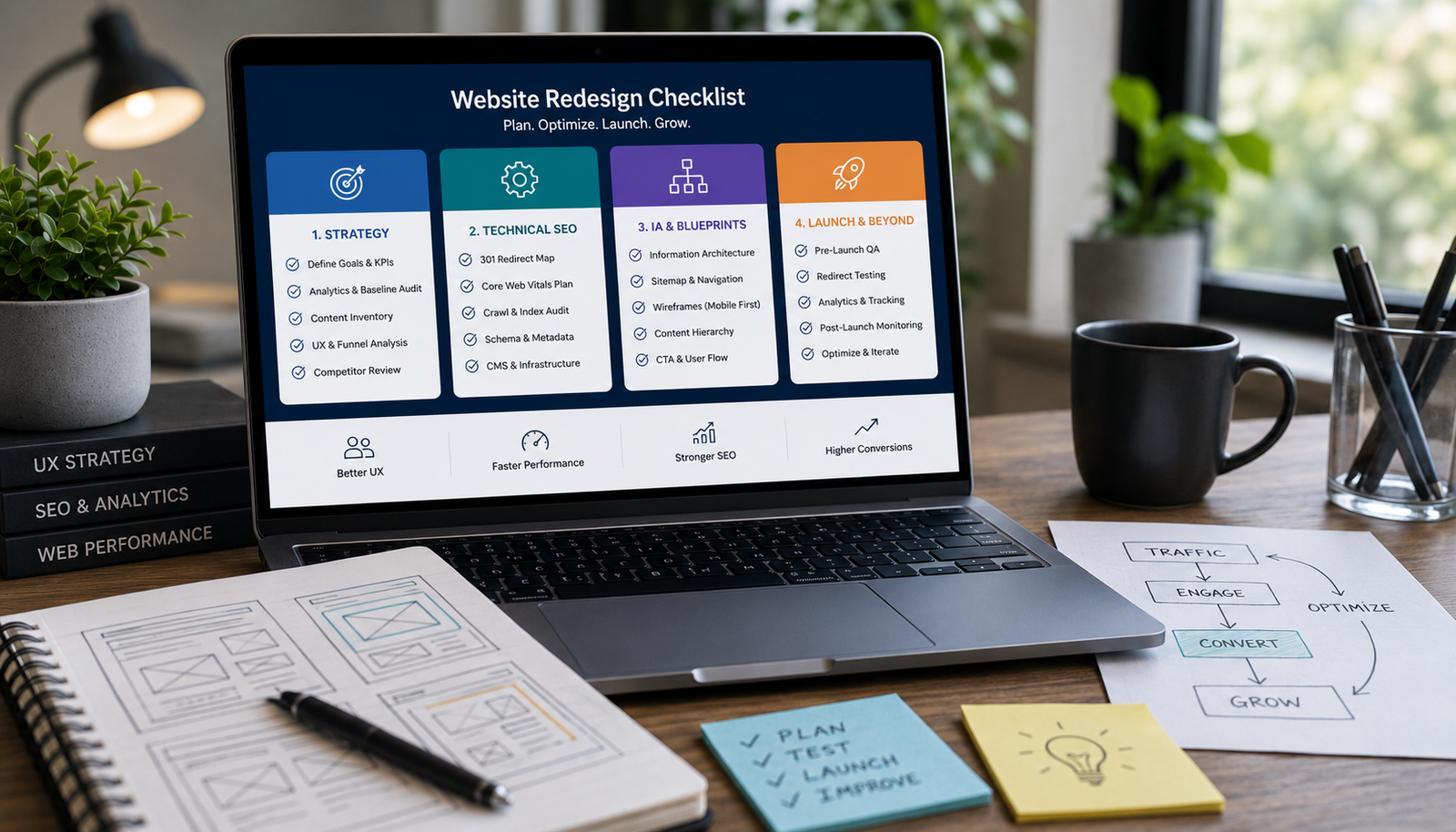
Avoid costly, risky redesigns. Use this essential 4-phase checklist covering strategic content audits, technical SEO migration, performance benchmarking, and wireframing before touching the UI.

Learn the practical steps to design a service website that looks high-end and trustworthy. Focus on strategic whitespace, clear messaging, structured layout, and conversion-focused trust signals.